

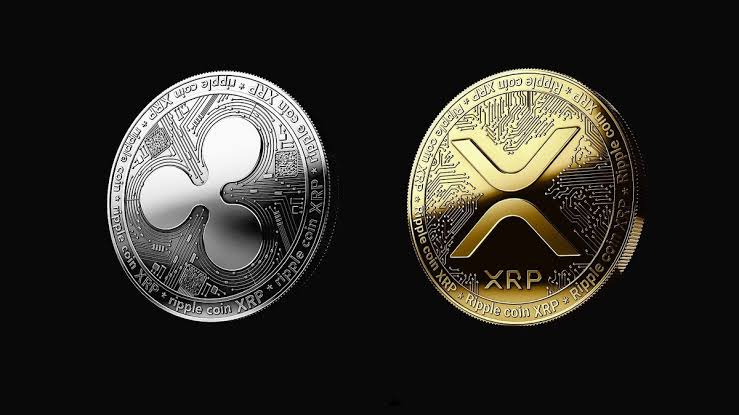
The discussion about an XRP supply shock has picked up again, and crypto founder Phil Kwok has added new clarity to the conversation.
Many traders talk about XRP suddenly turning bullish due to a drop in circulating supply, but very few explain the actual mechanism behind this potential move.
In a Wednesday X post, Kwok noted that XRP must be removed from the open market for a true supply shock to happen. He added that when fewer XRP tokens are available for trading, the remaining supply becomes more valuable during periods of strong demand. According to him, the biggest driver of this is decentralized finance (DeFi).
DeFi Locks XRP Out of Circulation
Kwok explained that DeFi platforms play a major role in locking up XRP. This is because users place their tokens in different systems that remove them from everyday trading activity. He further highlighted three major areas where this happens, including liquidity pools, lending markets and collateral in DeFi systems. “DeFi takes XRP and locks it up in lending markets as collateral,” he wrote.
Notably, DeFi protocols rely on liquidity pools to support token swaps. When users add XRP to these pools, those tokens stay locked inside the smart contracts. They cannot be freely traded on crypto exchanges. If more users provide liquidity, the circulating supply of XRP drops.
DeFi lending platforms can also contribute to the supply reduction when users deposit XRP as liquidity for borrowers. These deposits remain locked until users withdraw them. The more lenders participate, the more XRP becomes unavailable on the open market.
Kwok added that XRP can be used as collateral to mint stablecoins or take loans. This collateral remains locked inside the system. When large amounts of XRP are held as collateral, it further limits available supply.
Altogether, the crypto founder believes that these simple mechanics show why DeFi is critical for XRP’s long-term market growth. The more XRP flows into DeFi, the stronger the potential for a supply squeeze.
Read also: XRP Shows Rare Bullish Structure as Analyst Spots First-Ever Ichimoku Signal
Why This Matters for XRP’s Price
For context, a supply shock happens when demand for a particular crypto asset remains strong while available supply drops sharply. In this situation, even normal market activity can push the price higher. Kwok argues that XRP could see this type of effect if DeFi growth continues.
While this does not guarantee an immediate rally, it highlights how broader adoption could reshape XRP’s future. For long-term holders, understanding how DeFi locks tokens out of circulation is key to predicting market trends.
As the XRP Ledger automated market maker (AMM) pools and DeFi ecosystem expand, XRP’s role within these systems may become even more important. Kwok’s comments suggest that the next major shift in the XRP price may be driven not only by demand, but by how much supply DeFi removes from daily trading. At press time, XRP is trading at $2.11, with a market cap of over $126 billion.